This collaboration contributes to the CLEAR Sky Strategy, a joint action framework for Thailand, Lao PDR, and Myanmar for 2024-2030 to address transboundary haze, forest fires, open burning, and PM2.5 pollution.
Air pollution in the Lower Mekong is a shared regional challenge. Smoke and fine particulate matter can travel across borders, making effective solutions dependent on cooperation among countries, government agencies, universities, local communities, and the private sector. The CLEAR Sky Strategy provides an important platform for countries to strengthen monitoring, exchange information, improve fire prevention and response, and build long-term regional capacity.
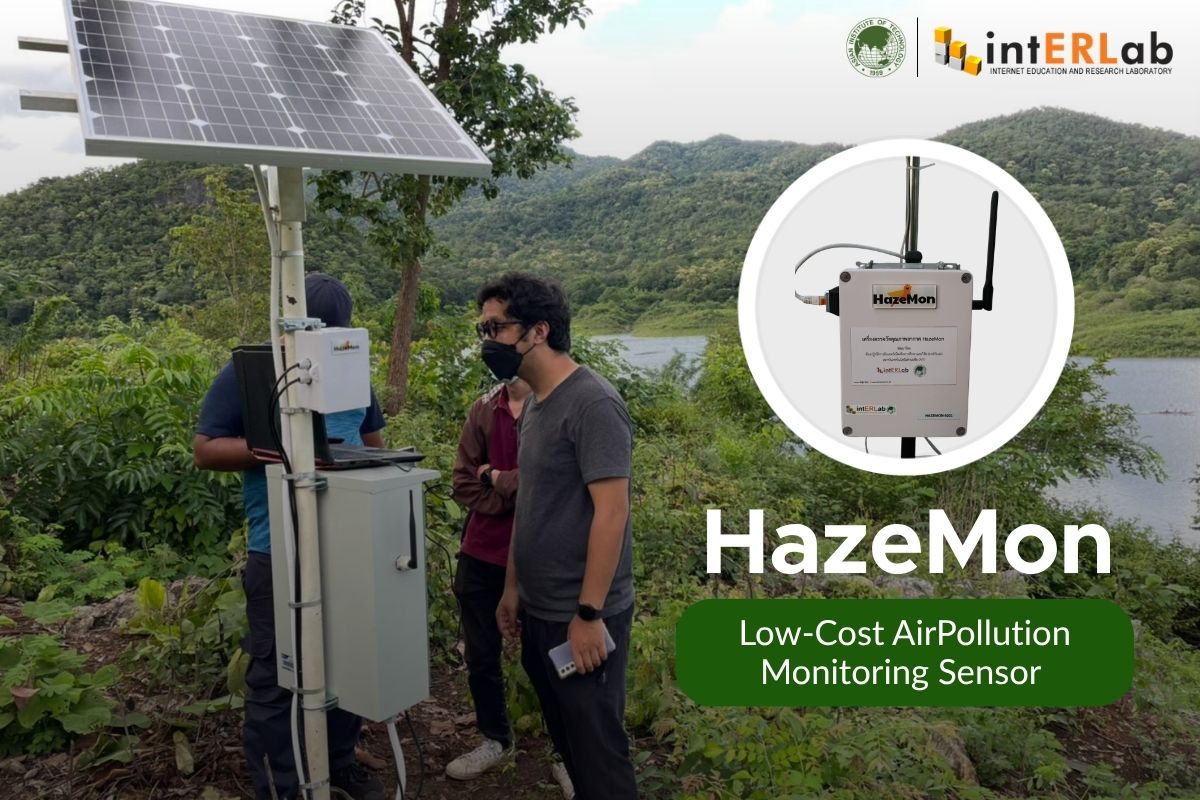
AIT's intERLab supports this effort through research and technology for environmental monitoring, including the HAZEMON and SEA-HAZEMON initiatives. These systems use affordable air-quality sensors, Internet of Things technologies, and real-time data platforms to improve understanding of PM2.5 and haze conditions. Such technologies can help expand monitoring coverage and provide timely information to support environmental management and decision-making.
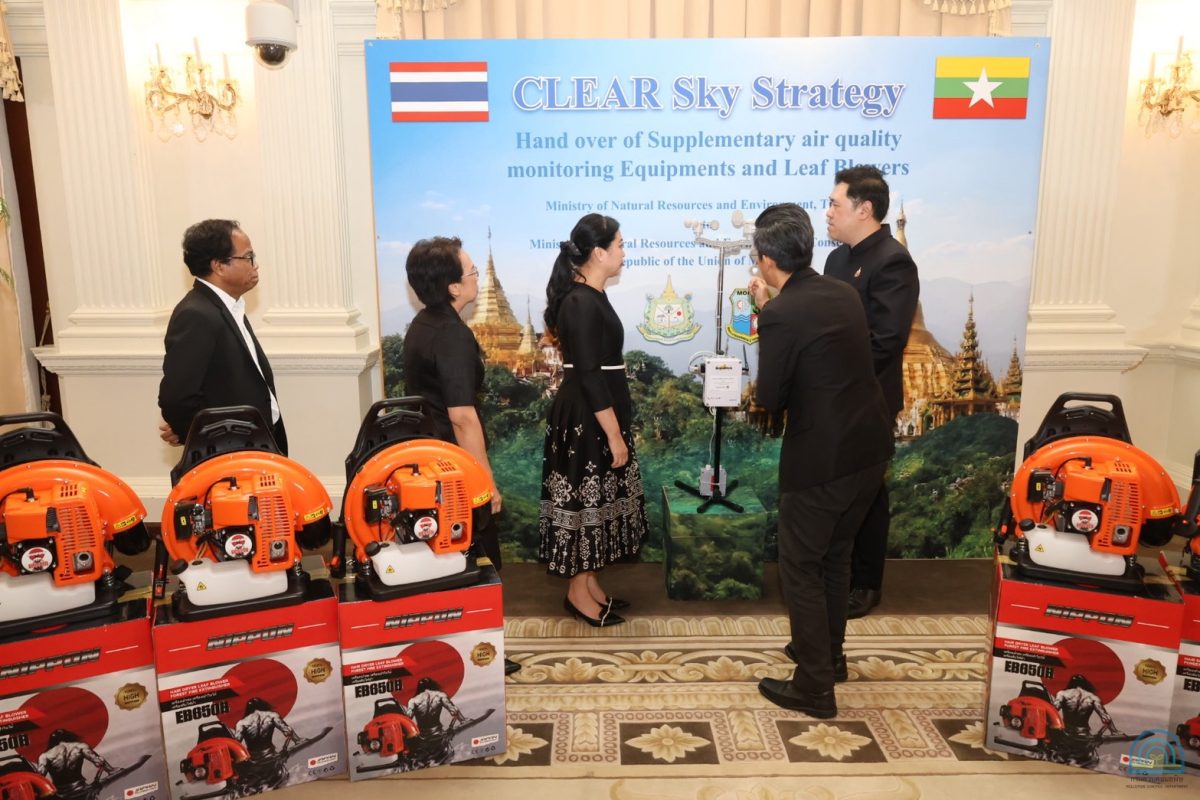
A recent event on 6 August 2026 at the Santi Maitree Building, Government House, Bangkok, demonstrated how regional cooperation is moving from strategy into practical action. Thailand provided air-quality monitoring and forest-fire suppression equipment to support efforts to reduce transboundary haze, reflecting the broader commitment under the CLEAR Sky Strategy to strengthen environmental monitoring and response capacity across the region.
During the event, Dr. Sakda Tridech of the Pollution Control Department explained the HAZEMON air-quality sensor to senior officials, illustrating how research, technological innovation, and government implementation can work together.
For AIT and intERLab, the value of regional collaboration goes beyond deploying individual sensors. The broader goal is to help build a connected network of technology, environmental data, scientific expertise, and institutional cooperation that enables countries in the Lower Mekong to better understand and respond to air-pollution challenges.
Through continued collaboration with PCD and regional partners, AIT's intERLab aims to support the development of stronger monitoring networks, knowledge sharing, and technical capacity - contributing to the shared goal of cleaner air and healthier communities across the Lower Mekong region.