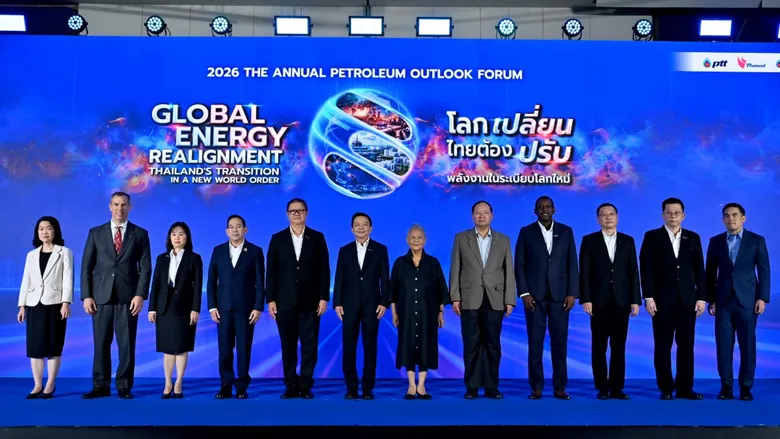
The forum featured an outlook for global oil and energy markets in 2027. PRISM projected that global oil supply would grow faster than demand, creating a potential surplus and putting downward pressure on crude oil prices. Geopolitical developments, international conflicts, and risks to energy shipping routes remain important factors affecting global energy prices and market stability.
The outlook underscored the need for Thailand to prepare for volatility in global energy markets by diversifying crude oil supply sources, managing costs and supply chains, improving refinery efficiency, and developing energy infrastructure and technology. These steps can help maintain energy security and strengthen the competitiveness of Thailand's energy industry.
The panel "Thailand's Energy Future: Balancing Energy Security, Competitiveness, and Transition" brought together government representatives and executives from leading energy companies. Mr. Bundit shared Bangchak's refining and marketing perspective on three main issues.
Energy security. Mr. Bundit said geopolitical conflicts have made energy security increasingly important. He cited March 2026, when concerns about possible fuel shortages prompted a surge in purchases even as refineries continued operating at full capacity. Bangchak accelerated efforts to diversify its crude oil imports by sourcing from the United States and South American countries such as Argentina, Brazil, and Ecuador. It also extended its procurement planning window from 2-3 months to 3-4 months to keep production running.
Alternative fuels in Thailand. Mr. Bundit said Thailand has the potential to develop alternative fuels and that government policy has an important role to play, as shown by the promotion of ethanol and biodiesel blends such as E20 and B20. Clear measures to encourage the use of sustainable aviation fuel (SAF) and renewable diesel (HVO) could similarly give companies greater confidence to invest and help Thailand become a hub for low-carbon fuels.
Adapting to EV growth. Even as electric vehicle adoption grows, global oil demand could still rise over the next decade. Refiners and service station operators will need to adapt to serve a mix of internal combustion engine vehicles, hybrids, and EVs. Mr. Bundit sees the energy transition as an opportunity to develop new businesses.
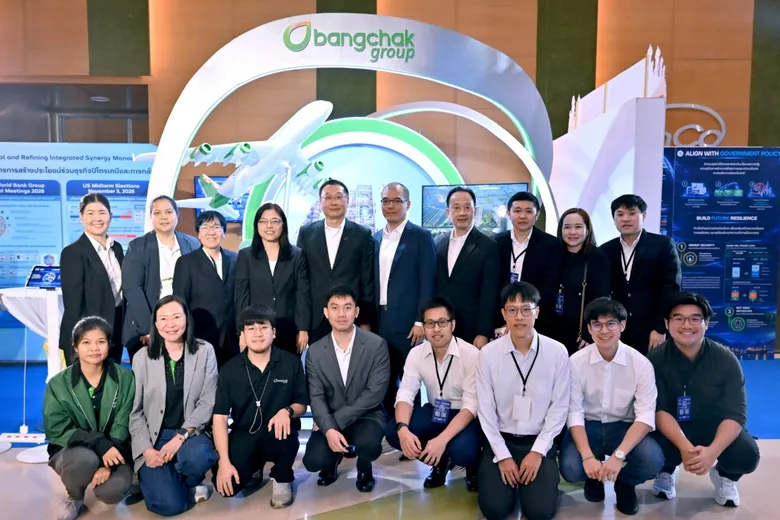
By participating in the forum, Bangchak shared its industry experience and exchanged perspectives with other energy stakeholders. The company continues to monitor global energy markets and apply those insights to make its refining and marketing operations more efficient, adaptable, and competitive over the long term while supporting a sustainable energy transition.