At the global level, women represent over 50 percent of the tourism workforce — approximately 52 percent in Asia Pacific alone. Yet despite their numbers, women remain concentrated in low-paid, temporary, or part-time roles, with a gender pay gap of around 14.7 percent that continues to limit their economic advancement in the sector.
In Thailand, the ecotourism market size is projected to grow to USD 3,903.6 million by 2034, exhibiting a CAGR of 10.57% during 2026-2034. This expansion is propelled by strong government initiatives promoting sustainable tourism under the Bio-Circular-Green (BCG) Economic Model, alongside rising global and domestic demand for nature-based experiences. Women-led enterprises and SMEs are embedding traditional Thai practices such as herbal wellness, forest bathing, and organic farming into modern eco-tourism experiences, strengthening rural livelihoods and positioning Thailand as a hub for sustainable tourism.
Thailand's women-led initiatives are expanding ecotourism projects while reducing reliance on mass tourism models. Community enterprises such as Cheunjit Chuaysong's community-based tourism in Khao Sok National Park, Silaparn Manthanakit's POSIVIT Group introducing electric longtail boats, and Happy Ground's women-founded agro-tourism ventures exemplify this trend. Together, these efforts demonstrate Thailand's leadership in community-driven, women-led ecotourism, ensuring resilience in the tourism economy while preserving cultural heritage.
Amidst these opportunities and challenges, Tukamasea Village in Maros Regency, South Sulawesi, Indonesia, has begun building a different approach to managing tourism — one that places citizen participation and the strengthening of women's roles at the foundation of village development. Rising from the experience of facing floods and crop failures, this community proves that tourism can be designed as a tool for environmental recovery, stronger village governance, and a fairer source of income for its residents.
From Floods and Crop Failure to Inclusive Financial Literacy for Village Governance
Repeated floods that led to mass crop failures in 2024 became a profound turning point for the residents of Tukamasea Village. The overflow submerged approximately 82 hectares of productive land, significantly paralyzing the village economy. The most severe damage occurred in the Manarang Hamlet area, destroying vital infrastructure such as farm roads and irrigation channels and causing a drastic drop in farmer income.
This painful event awakened a collective awareness that environmental issues are closely linked to budget governance and overall community welfare. From there, citizen involvement in village development planning was no longer an option but an urgent necessity to ensure a better environmental future.
Through the preparation process of the Village Medium-Term Development Plan (RPJMDes), residents began to actively ensure their voices were heard. One manifestation of this is the birth of the Budget Reading Group (KBA) — a learning space and advocacy forum for citizens to ensure village development runs more transparently, participatively, and fairly.
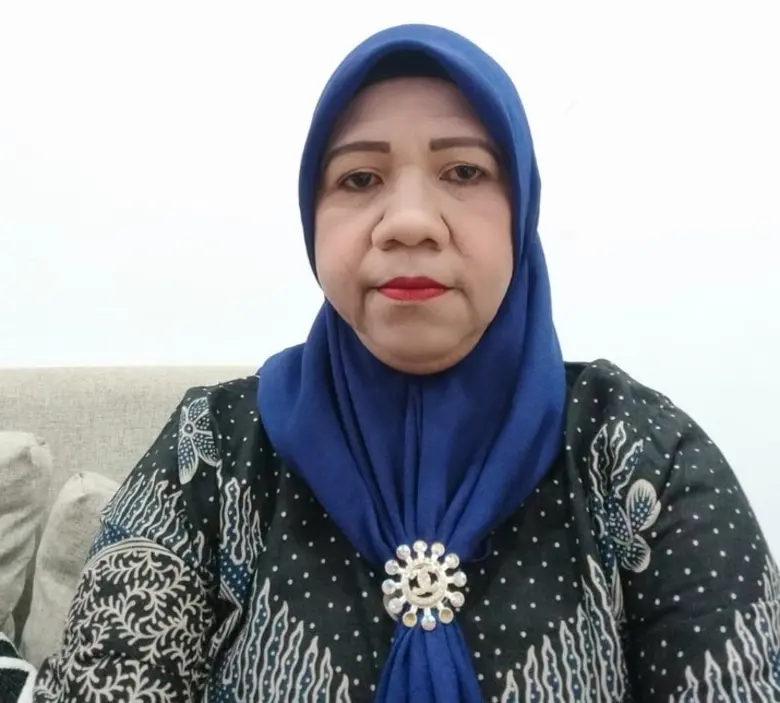
Sirawarti Ona Lewenussa (known as Ona), aged 52, is a member of the KBA in Tukamasea Village. The group's composition reflects a women-led movement: out of 15 members, 13 are women and two are men. Previously, women often attended deliberations but were rarely involved in budget decision-making.
"Through KBA, we learned that the village budget does not belong to a few people, but to everyone, including for guarding the environment and the future of the village," said Ona.
KBA routinely holds weekly discussions with residents to gather aspirations, draft proposals, and oversee the village planning process. These aspirations are brought from the hamlet level to the sub-district development planning meeting (musrenbang), ensuring the most urgent needs of the residents are truly accommodated.
PINUS Mentorship and Strengthening Village Governance
The capacity building of KBA did not happen in isolation. PINUS South Sulawesi mentored residents in understanding the RPJMDes, medium and long-term development plans, and ecology-based activity plans — including Ecological-Based District Budget Transfers (TAKE), which is performance-based funding assessed on environmental indicators.
This mentorship encouraged the village government to be more transparent, publishing the Village Budget (APBDes) and revising allocations to favor vulnerable groups, women, and eco-friendly development. Beyond budgeting, KBA actively promotes environmental protection. Floods were identified as an impact of reduced vegetation around the river, leading residents to propose tree planting in flood-prone areas, river dredging, and land rehabilitation.
"This mentorship is not just about teaching technical skills, but building awareness that the village budget is a shared tool to answer social, environmental, and economic needs," said Rizky Awalita (known as Rere), Project Officer for PINUS South Sulawesi.
Since 2022, KBA's advocacy resulted in consistent village fund allocations — ranging from 110 to 139 million IDR annually — used strategically to balance tourism development with ecosystem protection.
Village Tourism, Youth Education, and Real Economic Impact
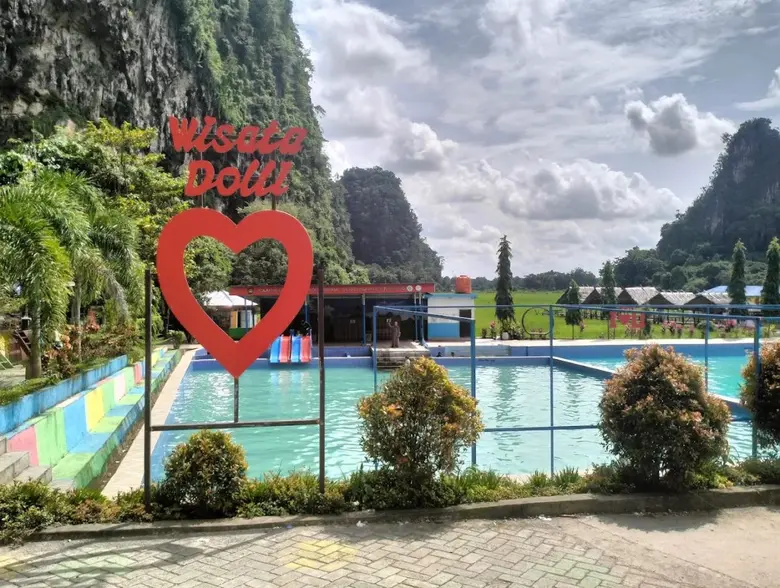
One real result of KBA's oversight is the development of Dolli Tourism. Since 2019, residents' proposals to develop the village's tourism potential were finally accommodated, with approximately 500 million IDR in village funds initially allocated and total investment eventually approaching 1 billion IDR.
Dolli Tourism has become an economic engine for the village. In the 2021 to 2025 period, the gross income of this tourism site was recorded at over 1 billion IDR, with average net income returning to the village at approximately 60 to 65 million IDR per year. It is managed by the Village-Owned Enterprise (BUMDes) in collaboration with the Tourism Awareness Group (Pokdarwis), with a distribution scheme of 40 percent for the BUMDes and 60 percent for employee salaries and local revenue contributions.
The impact is widespread. A total of 17 residents work directly in the tourism sector, while around 20 MSMEs — mostly managed by housewives — gain additional income from economic activity around the site. Most strikingly, from 2021 to 2024, as many as 240 students from underprivileged families, ranging from elementary school to university level, received scholarships sourced from village management results.
"Residents are starting to see that guarding nature and managing village potential together can open jobs and increase welfare," said Rere.
In the future, KBA hopes to continue expanding access to eco-friendly development, reducing village unemployment, and ensuring development remains fair and sustainable. "We want KBA to remain a learning space and a policy guardian, so that village development truly sides with the citizens and nature," said Ona.